Reset Your Gut Health This Spring with a Fresh Start
Spring in Ontario often feels like a reset. The snow melts, days get longer, and many of us feel ready to clean up our homes, our schedules, and our plates. It is also a natural time to check in on digestion, energy, and mood, especially after heavier winter foods and more time indoors.
A spring gut reset is not about extreme cleanses or quick-fix “detoxes.” Instead, it means gently supporting digestion, bowel habits, immune health, and even skin health from the inside out. In Dr. Sanam Arora’s practice, we focus on evidence-informed naturopathic care for gut health, hormones, and skin, offered virtually across Ontario. Our goal is to help you make realistic, sustainable changes that fit your life, not to chase dramatic promises [4].
Why Gut Health Matters More Than Ever This Spring
Your gut is more than a tube that moves food along. It contains a community of microbes, often called the gut microbiome. These bacteria and other organisms help break down food, create certain vitamins, and interact with your immune system [1]. They may also play a role in mood and skin health through connections between the gut and the brain and skin.
Spring can bring shifts that your gut notices. In Ontario, that can include:
- More seasonal allergies and immune changes
- Different foods than in winter, like more fresh produce
- Changes in exercise, outdoor time, and daily routines
- Travel, social events, or patio meals that are rich or irregular
During these changes, some people start to notice digestive symptoms. Signs that your gut may need support include:
- Bloating or gas after meals
- Irregular bowel movements, such as mild constipation or loose stools
- Mild heartburn or a feeling of fullness that lingers
- Low energy, “brain fog,” or skin changes that seem linked to food
If you notice red-flag symptoms like blood in the stool, unplanned weight loss, trouble swallowing, intense abdominal pain, or ongoing vomiting, medical care should come first [1]. Naturopathic gut support is one part of a bigger team. We often encourage working alongside your family doctor and specialists so that testing, diagnosis, and treatment plans all line up.
How a Naturopathic Gut Reset Works in Real Life
A spring gut reset with a Naturopathic Doctor is structured and personal, not a one-size-fits-all plan you download from the internet. An initial virtual visit usually includes a detailed conversation about:
- Current symptoms and digestion patterns
- Medical history, diagnoses, and family history
- Prescription medications and supplements
- Diet, fluid intake, and caffeine or alcohol use
- Sleep, stress, mental health, and movement habits
From there, we build an individual plan. This often includes:
- Nutrition strategies, such as adjusting fibre types and timing, balancing meals, and identifying food patterns that trigger symptoms [2]
- Lifestyle support, like sleep routines, stress management, and movement that supports regular bowel function
- Evidence‑informed natural therapies, such as herbs or targeted nutrients, when they are a good fit and safe with your current medications
Functional medicine testing, such as stool analysis or food sensitivity testing, is not something we suggest for every person. It may be considered when:
- Symptoms are ongoing despite basic changes
- There is a complex history of gut concerns
- Results may guide targeted treatment in a meaningful way
We always discuss pros and cons before ordering tests. Changes are introduced gradually, with room for feedback and adjustment. If anything suggests a more serious concern, we may recommend you return to your family doctor or see a specialist to rule out conditions that require different treatment.
Spring Foods and Habits to Support Your Gut
Spring in Ontario brings a shift toward lighter, fresher foods. Many people find their digestion feels better when they include more plants and fibre, as long as they build up slowly and listen to their body [2].
Helpful spring produce might include:
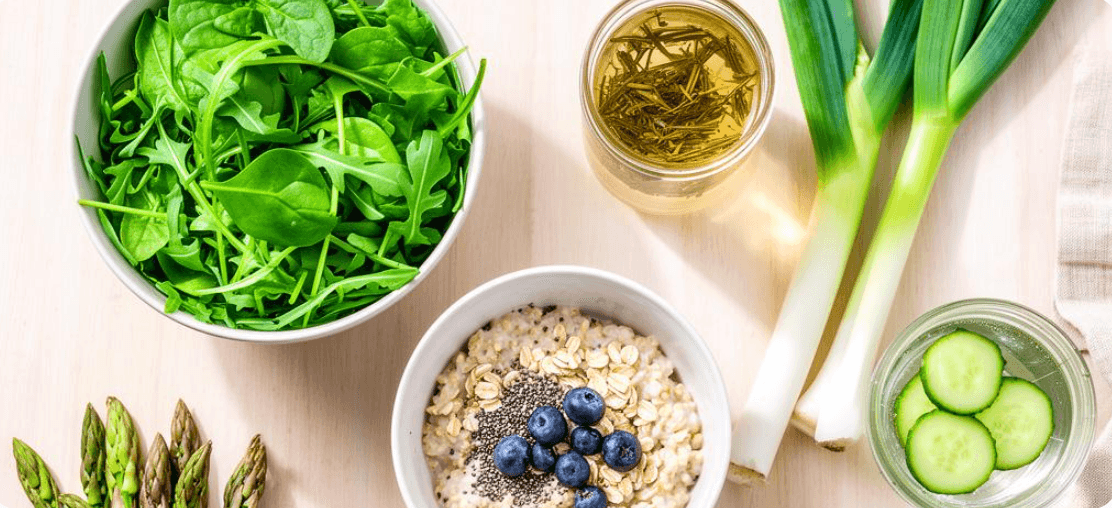
- Asparagus and leafy greens
- Radishes and other crunchy vegetables
- Early local berries when available
- Onions, garlic, and leeks, which contain natural prebiotics [3]
Simple gut-friendly ideas can look like: [3]
- A warm oatmeal or chia breakfast with berries and ground seeds
- A lunch plate with leafy greens, a source of protein, healthy fats like olive oil or avocado, and a whole grain
- Fermented foods such as yogurt or kefir if tolerated, paired with fibre-rich fruits
- Snacks like sliced veggies with hummus, or fruit with nuts
Lifestyle habits also matter for your gut:
- Hydration through water and herbal tea
- Gentle outdoor movement like walking, which can help bowel regularity
- A steady sleep schedule, aiming for a calming wind‑down routine
- Stress management, such as breathwork, mindfulness, or quiet time in nature
Probiotics and prebiotics can be confusing. In many cases, we suggest a food‑first approach, using a variety of plant foods to support a diverse microbiome. Probiotic supplements may be helpful for some people, but the best strain and dose depend on your body, your symptoms, and any diagnoses you have. That is why we prefer guiding these choices one‑on‑one instead of giving broad rules.
When to Consider Working with a Gut Health Naturopath
Many people contact a gut health naturopath when they notice patterns like: [5]
- Ongoing bloating or discomfort that affects daily life
- A diagnosis such as IBS, with symptoms that are still bothersome
- Mild reflux that has not fully settled with basic steps
- Skin concerns like acne or eczema that appear linked to digestion
- Routine changes in spring, such as new work hours or activity levels, that unsettle digestion
Naturopathic care does not replace urgent or emergency medical care. Any serious, sudden, or worsening symptoms need prompt assessment from your medical doctor or an emergency department. Once serious conditions have been ruled out or managed, naturopathic support can often fit alongside conventional treatment.
For example, some people under care for IBS, IBD, or reflux find value in:
- Tailored nutrition support that respects their medical treatment
- Help with stress, sleep, and daily habits that influence gut symptoms
- Guidance on whether certain supplements are safe and appropriate
Virtual naturopathic appointments across Ontario allow you to join from home. Typically, we start with a longer first visit, then set follow‑ups to review progress, adjust the plan, and check in on any new test results. Privacy and confidentiality are priorities, just as in an in‑person visit.
Begin Your Spring Gut Reset with Expert Guidance
A helpful way to start is by choosing one or two small, realistic changes. For example, you might:
- Add one extra serving of vegetables or fruit each day
- Aim for more consistent mealtimes
- Take a short daily walk after a meal
- Set a simple bedtime routine to support deeper sleep
If you would like structured, individualized guidance from a gut health naturopath, Dr. Sanam Arora offers virtual naturopathic care focused on digestion, hormones, and skin for people across Ontario. Bringing a list of your current medications, supplements, and any recent lab results to your first visit helps us build a plan that is safe, evidence-informed, and tailored to you.
Take The Next Step Toward Better Gut Health Today
If you are ready to address persistent digestive issues with a holistic, evidence-informed plan, we are here to help. At Dr. Sanam Arora’s office, we take the time to understand your health history so we can create a personalized strategy that supports your whole body, not just your symptoms. Learn more about how working with a gut health naturopath can help you move toward lasting relief and better everyday comfort. Book your first appointment today and start building a healthier relationship with your gut.
References
[1] National Institute of Diabetes and Digestive and Kidney Diseases. "Digestive Diseases." Available at:https://www.niddk.nih.gov/health-information/digestive-diseases
[2] Canada’s Food Guide. "Canada’s Food Guide." Available at:https://food-guide.canada.ca/en/
[3] Dietitians of Canada. "Prebiotics and Probiotics." Available at:https://www.dietitians.ca/Advice/Prebiotics-and-Probiotics
[4] College of Naturopaths of Ontario. "College of Naturopaths of Ontario." Available at:https://www.collegeofnaturopaths.on.ca/
[5] Canadian Digestive Health Foundation. "Irritable Bowel Syndrome (IBS)." Available at:https://www.cdhf.ca/en/digestive-disorders/irritable-bowel-syndrome-ibs